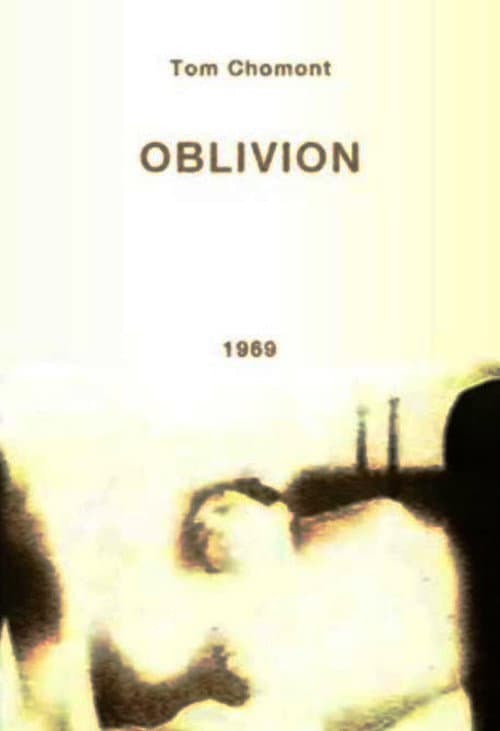
Oblivion
“Approximately thirty images comprise Oblivion. Most obsessively repeat themselves. Although the images appear to be solarized, the film was actually contact-printed, combining high contrast black and white negative with a colour positive of the same image. The high contrast accounts for the tendency of shots to flood. Images in the film swell and contrast, often disappearing into pure colour… Oblivion employs extremely rapid cutting. Some of the images last as briefly as two frames. The fact that we see so few frames, that a shot is representationally ambiguous, or shown upside down and sideways, often causes the viewer to project his/her own fantasies… When Jean Genet was asked to what end he was directing his life he responded, “To oblivion.” (J.J. Murphy, “Reaching for Oblivion”)
PlayMore Like This
Captain Blood: A Swashbuckler Is Born

Chaplin Today: City Lights
The Role of Chance
Amores Bonitos Demais Para Se Esconder
Drug Porn
Daybreak Express

Gingers

Montgomery Clift
Latter-Day Glory: The Aftermath of Growing Up Queer in the LDS Church
Richard Fontaine's Days of Greek Gods

Uncle Bob
Sirens 77 True Love